AI Voice Generator Tools: How Synthetic Speech Is Created
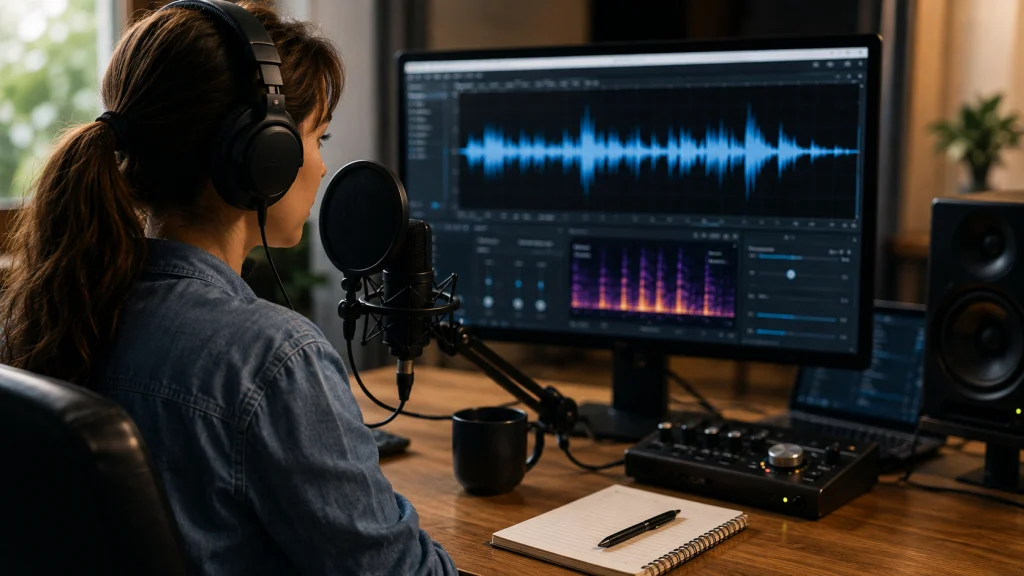
AI voice generators turn text into natural-sounding speech for narration, accessibility, media, and apps. Learn how they work and how to use them responsibly. Read more

 ByteScope
AI voice generators turn text into natural-sounding speech for narration, accessibility, media, and apps. Learn how they work and how to use them responsibly. Read more
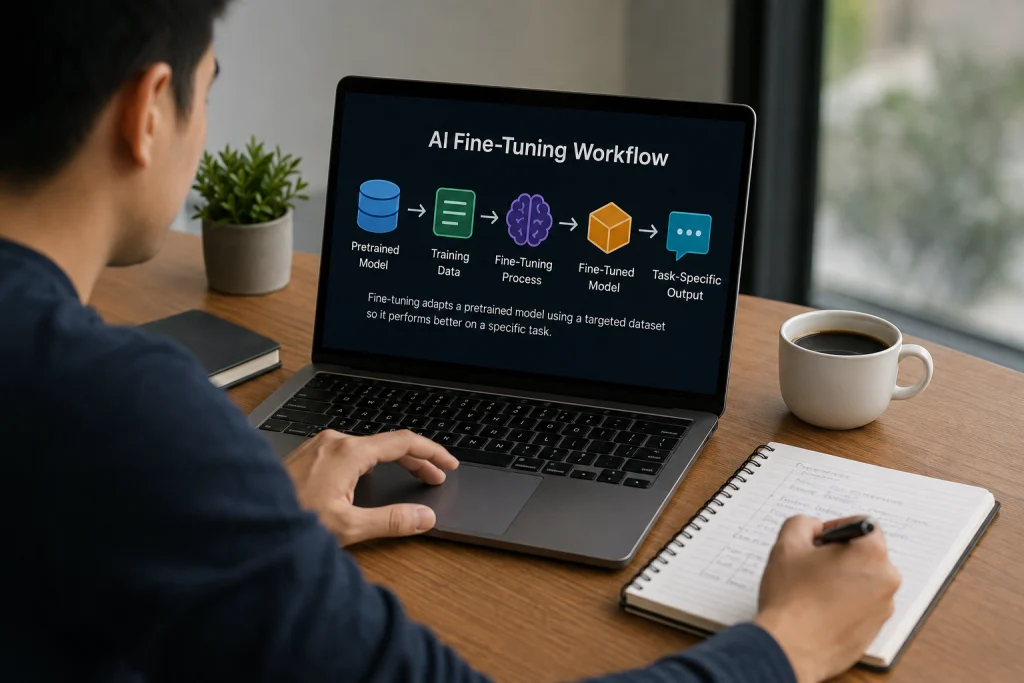
Fine-tuning adapts a pretrained AI model using task-specific examples. Learn what changes, when fine-tuning helps, and when another approach is better. Read more
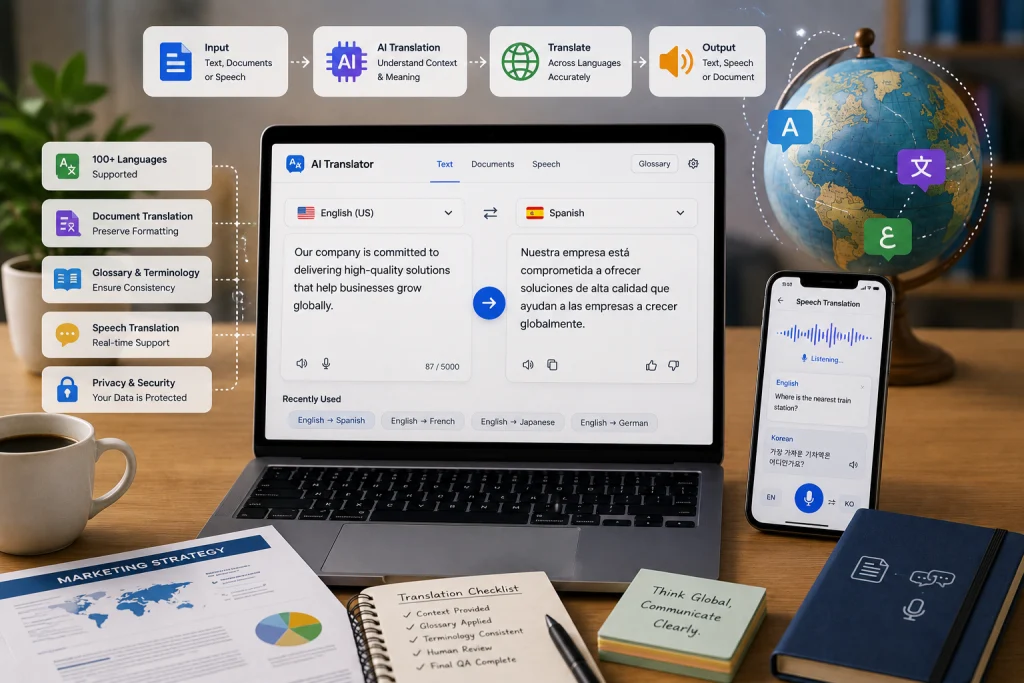
AI translation tools can translate text, documents, and speech across languages, but context and terminology still matter. Learn how to choose and verify translations. Read more
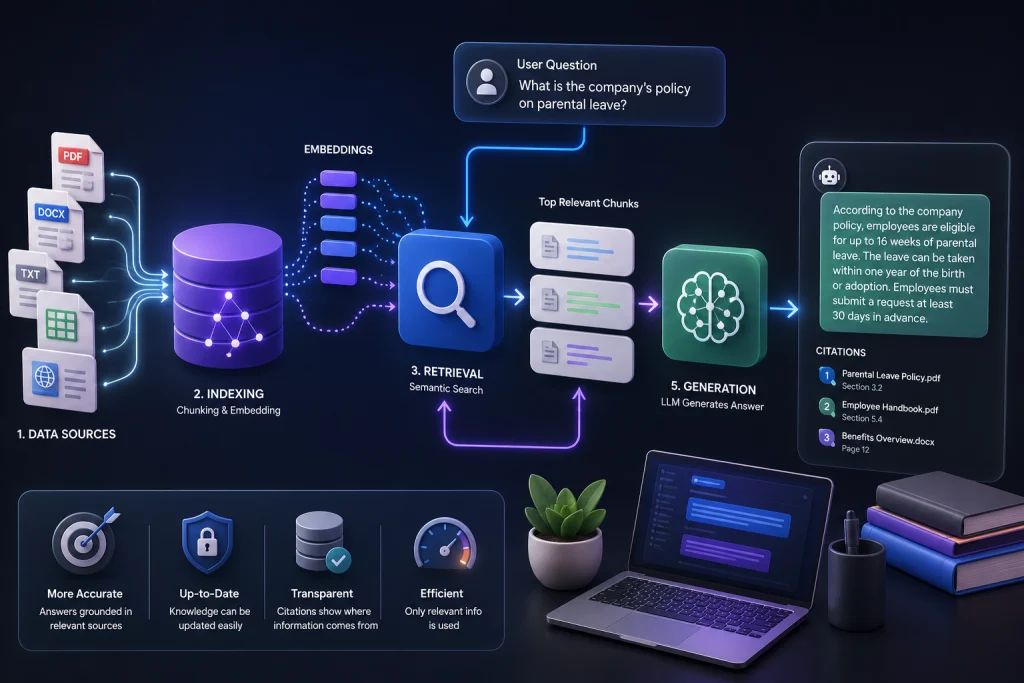
RAG helps AI answer questions using external documents and knowledge sources. Learn how retrieval, embeddings, and generation work together. Read more
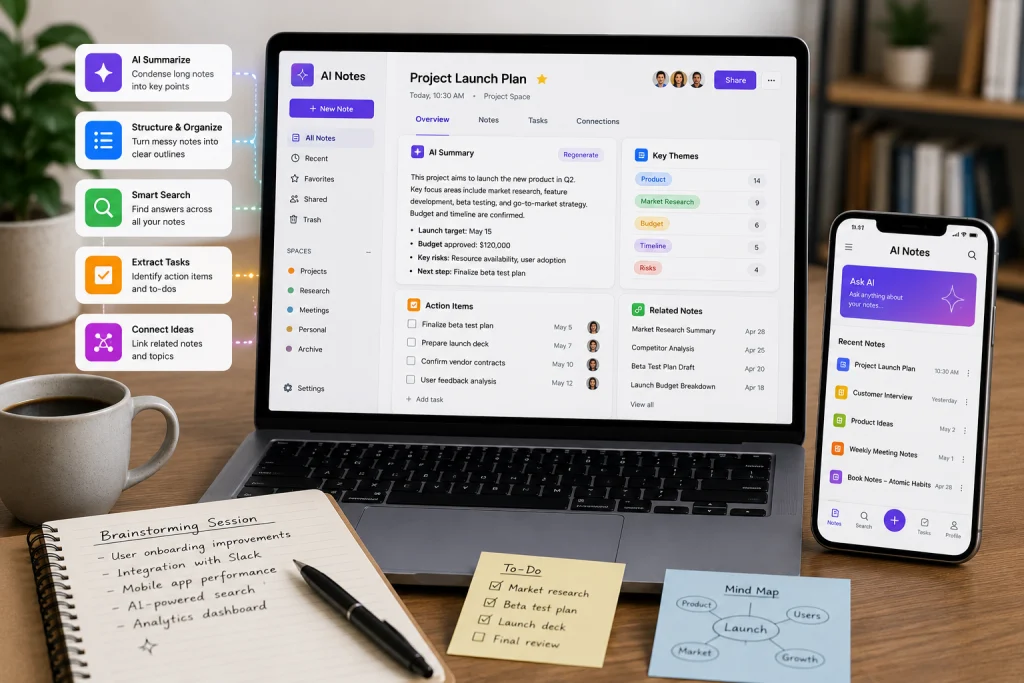
AI note-taking tools can summarize, reorganize, search, and connect information across notes and documents. Learn how to choose a system that improves your workflow. Read more
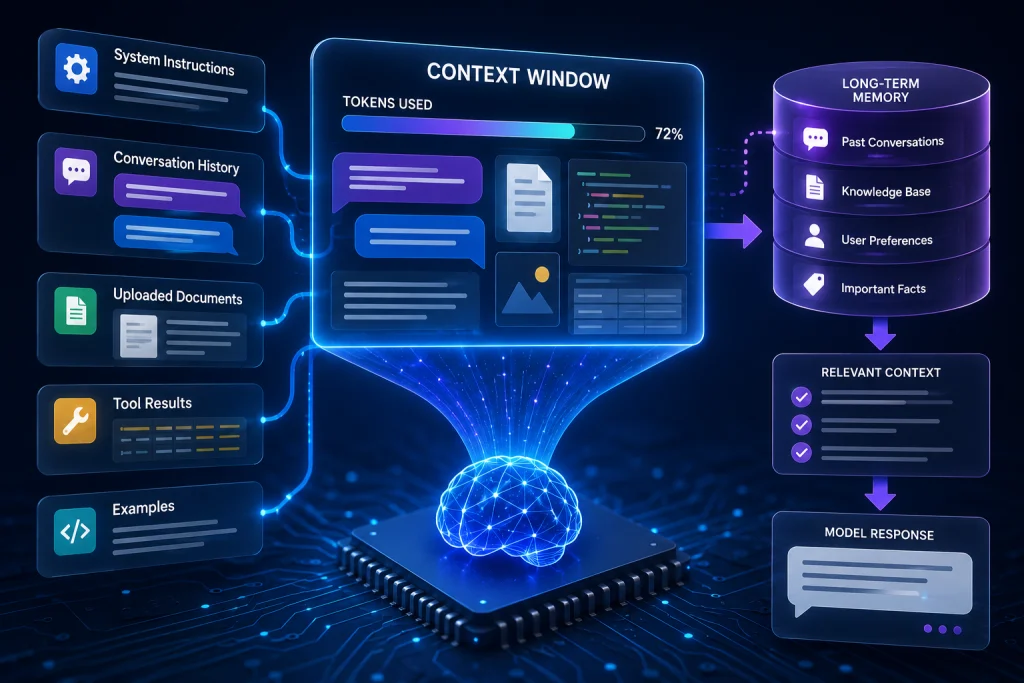
An AI context window limits how much information a model can use at one time. Learn how context works, why long chats lose details, and how to manage it. Read more

AI meeting assistants can capture transcripts, summarize discussions, identify decisions, and track action items. Learn how to use them without losing human judgment. Read more
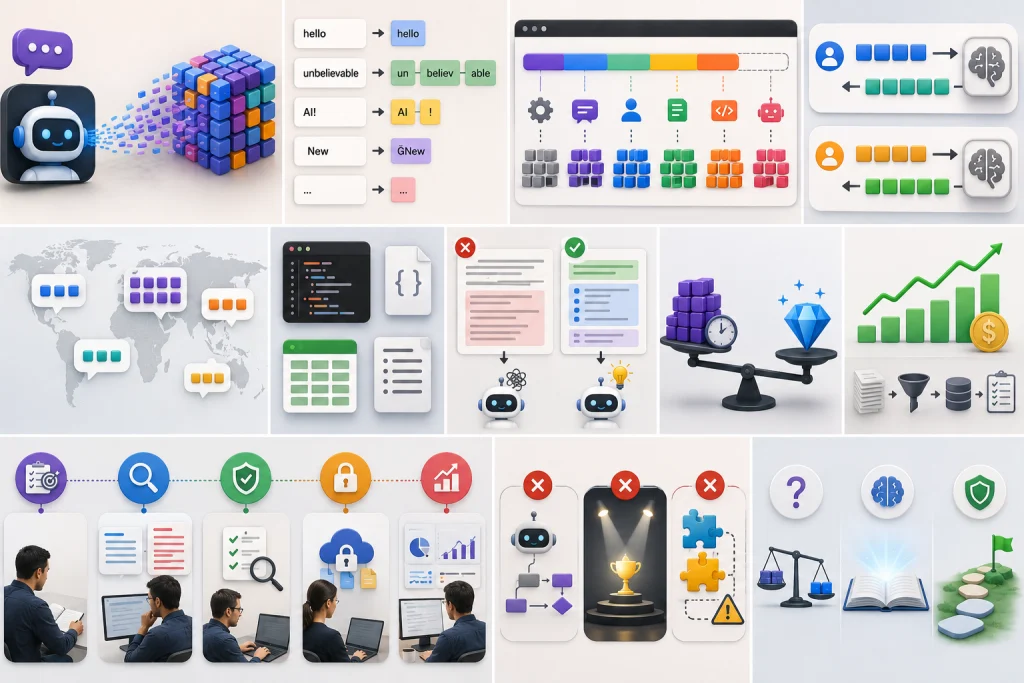
AI models process text as tokens rather than ordinary words. Learn what tokens are, how they affect context and cost, and why token limits matter. Read more
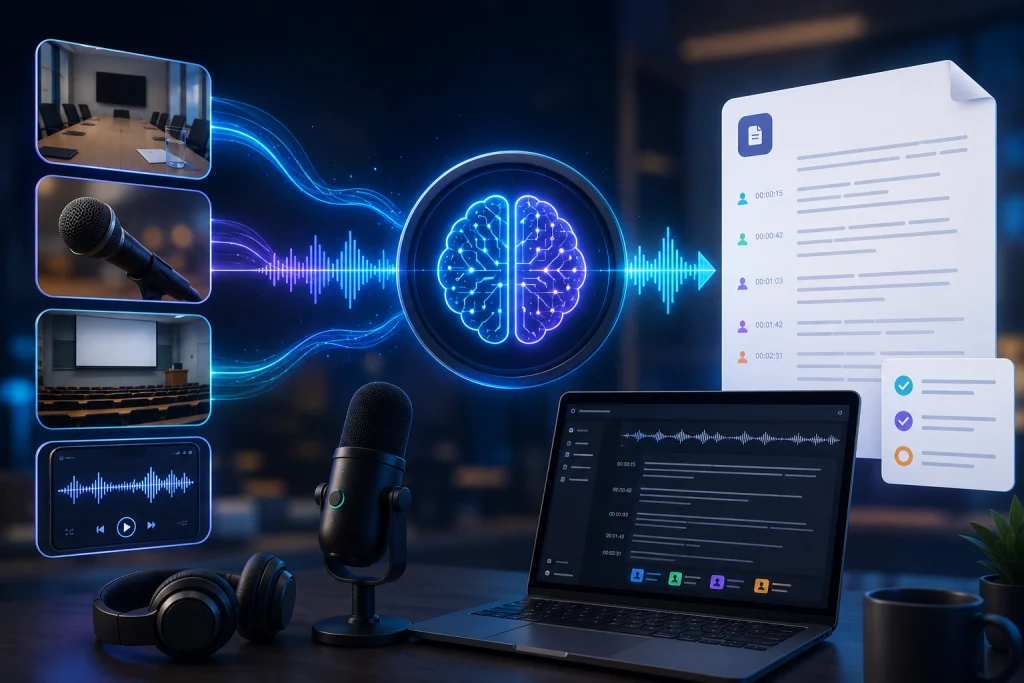
AI transcription tools convert speech from meetings, interviews, lectures, and recordings into editable text. Learn what to compare before choosing one. Read more
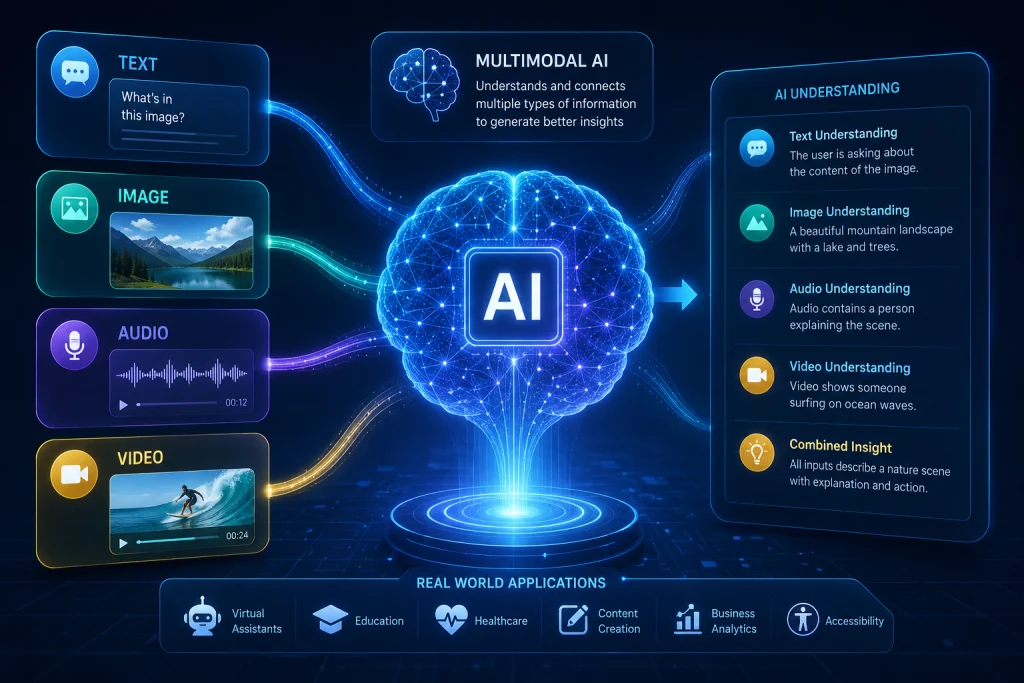
Multimodal AI can work with more than one type of information, such as text, images, audio, and video. Learn how it works and why it matters. Read more