AI Inference Explained: What Happens After an AI Model Is Trained

Training creates an AI model; inference is what happens when that model is used to produce a prediction or response. Learn how the process works.

 ByteScope
Training creates an AI model; inference is what happens when that model is used to produce a prediction or response. Learn how the process works.

AI video generators can turn prompts and reference images into short video clips. Learn what they can do, where they help, and what to check before using them.

Embeddings turn words, documents, images, and other data into numerical representations that capture useful relationships. Learn why they power modern AI search.

AI voice generators turn text into natural-sounding speech for narration, accessibility, media, and apps. Learn how they work and how to use them responsibly.
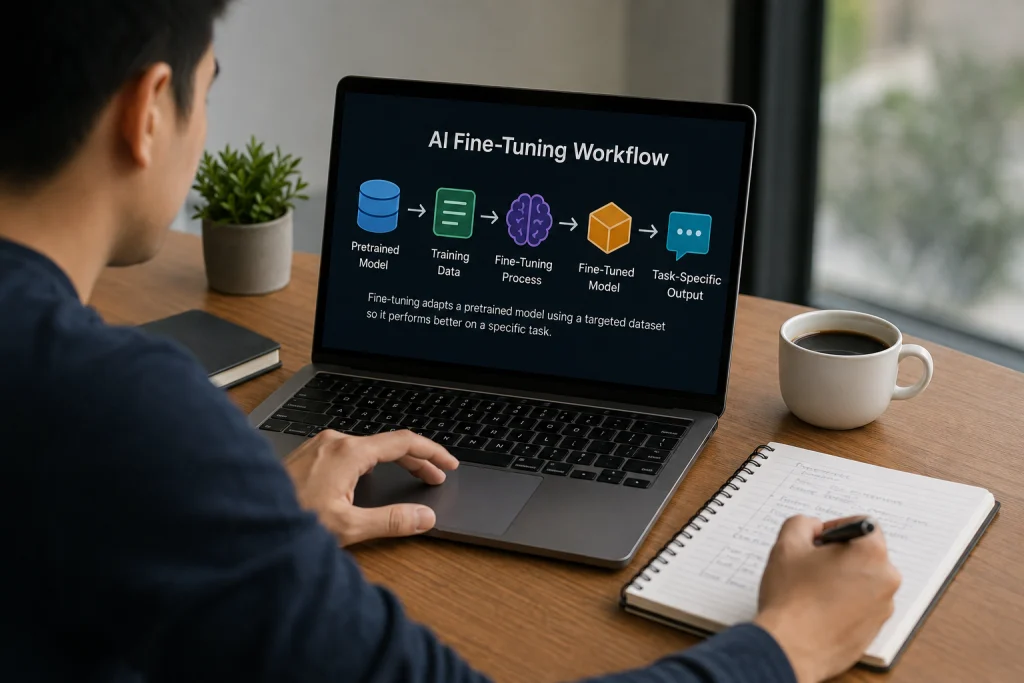
Fine-tuning adapts a pretrained AI model using task-specific examples. Learn what changes, when fine-tuning helps, and when another approach is better.
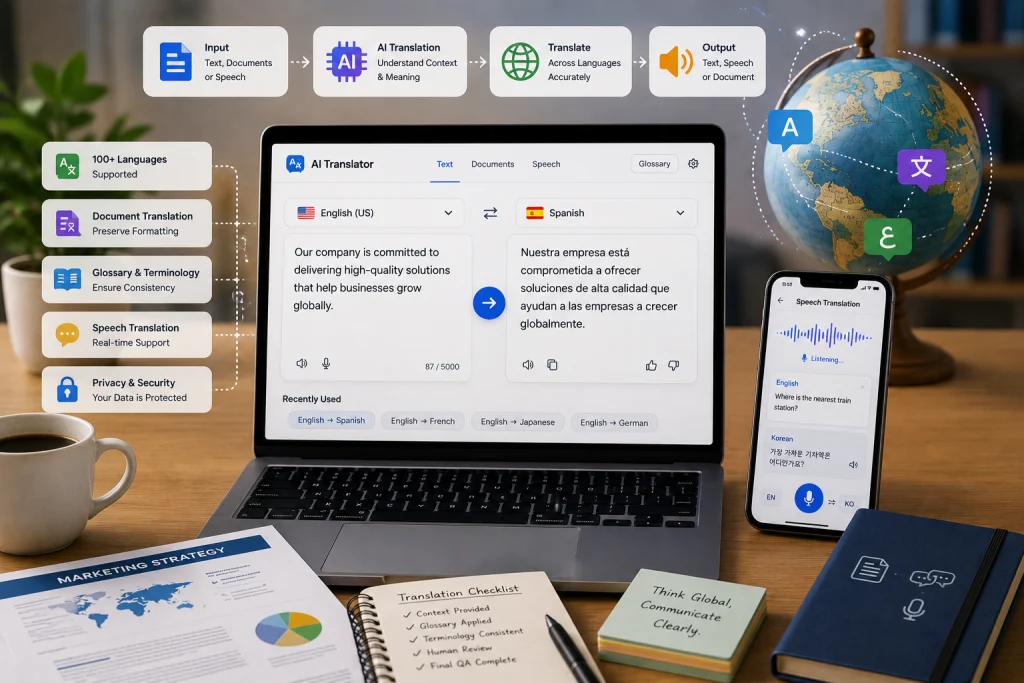
AI translation tools can translate text, documents, and speech across languages, but context and terminology still matter. Learn how to choose and verify translations.
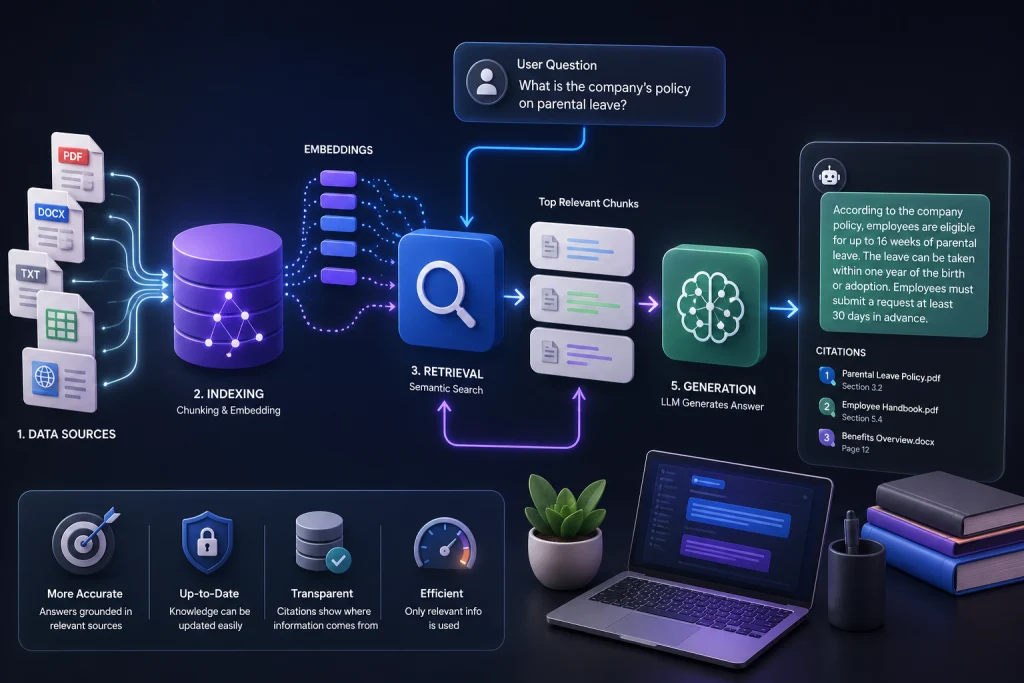
RAG helps AI answer questions using external documents and knowledge sources. Learn how retrieval, embeddings, and generation work together.

AI note-taking tools can summarize, reorganize, search, and connect information across notes and documents. Learn how to choose a system that improves your workflow.
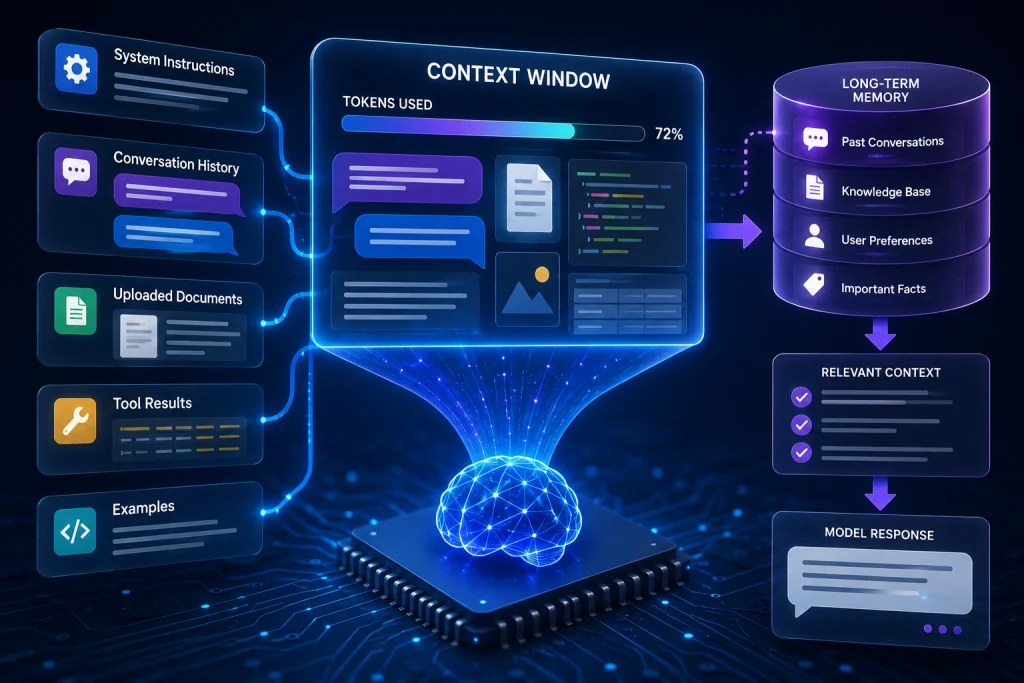
An AI context window limits how much information a model can use at one time. Learn how context works, why long chats lose details, and how to manage it.

AI meeting assistants can capture transcripts, summarize discussions, identify decisions, and track action items. Learn how to use them without losing human judgment.