AI Quantization Explained: How Large Models Become Smaller and Faster

AI quantization represents model values with less numerical precision. Explore INT8 and INT4 storage examples, quality trade-offs, and practical deployment tests. Read more


Structured AI outputs help software process model responses consistently. This guide explains JSON Schema, missing values, business validation, and practical failure handling. Read more
Function calling lets language models request approved external operations through structured arguments. Learn how schemas, authorization, execution, and tool results fit together. Read more
AI model drift can undermine predictions after launch, even when a model performed well during testing. Learn to distinguish data drift from concept drift, monitor errors by segment, and decide when retraining is justified. Read more
Temperature and top-p affect how language models select words, but neither setting guarantees accuracy. Learn what these controls change and how to compare outputs for factual and creative tasks. Read more
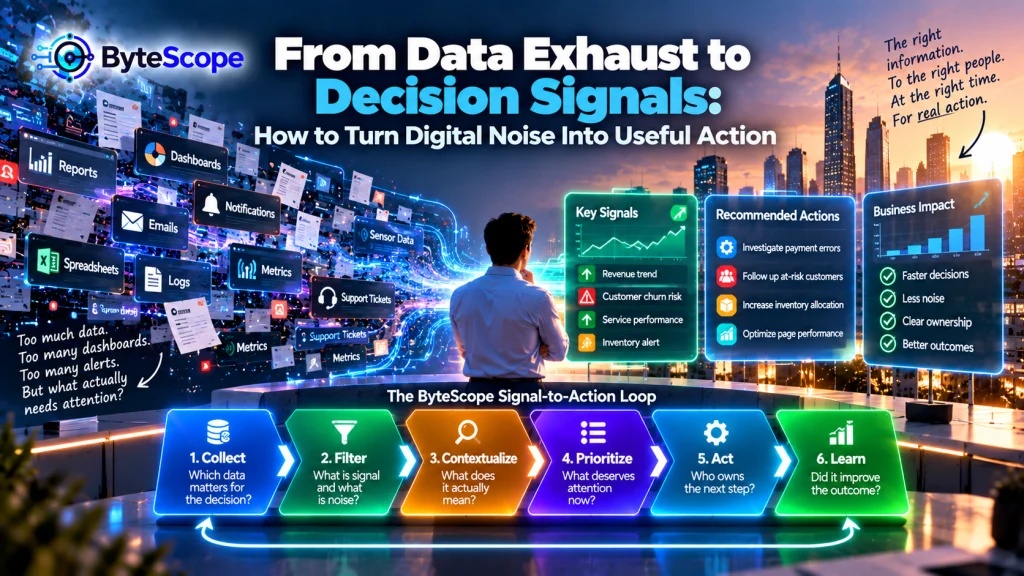
More data does not automatically create better decisions. Organizations often collect thousands of metrics while the signals that actually require attention remain buried. The real challenge is turning digital noise into clear, contextual, and actionable information. Read more
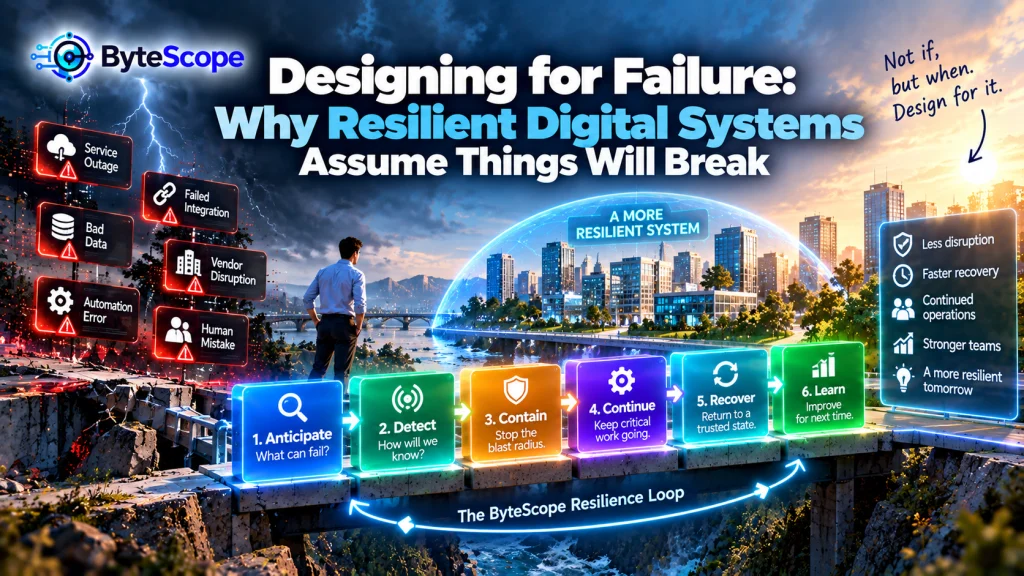
Reliable digital systems are not built on the assumption that nothing will fail. They are designed to detect problems early, contain their impact, preserve critical work, recover safely, and learn from every disruption. Read more
A larger technology stack does not automatically create a better digital organization. Real value appears when systems can exchange useful information, preserve context, coordinate workflows, and work together without forcing people to become the integration layer. Read more
Digital transformation can succeed technically and still fail in practice. The last mile is where new technology meets real users, real workflows, time pressure, exceptions, and old habits—and where adoption either becomes lasting value or quietly disappears. Read more
Launching new tools, automations, AI features, and digital services does not automatically mean innovation is working. The real test is whether digital change reduces friction, improves outcomes, earns adoption, and creates value that can be measured over time. Read more