AI Tokens Explained: What They Are and Why They Matter
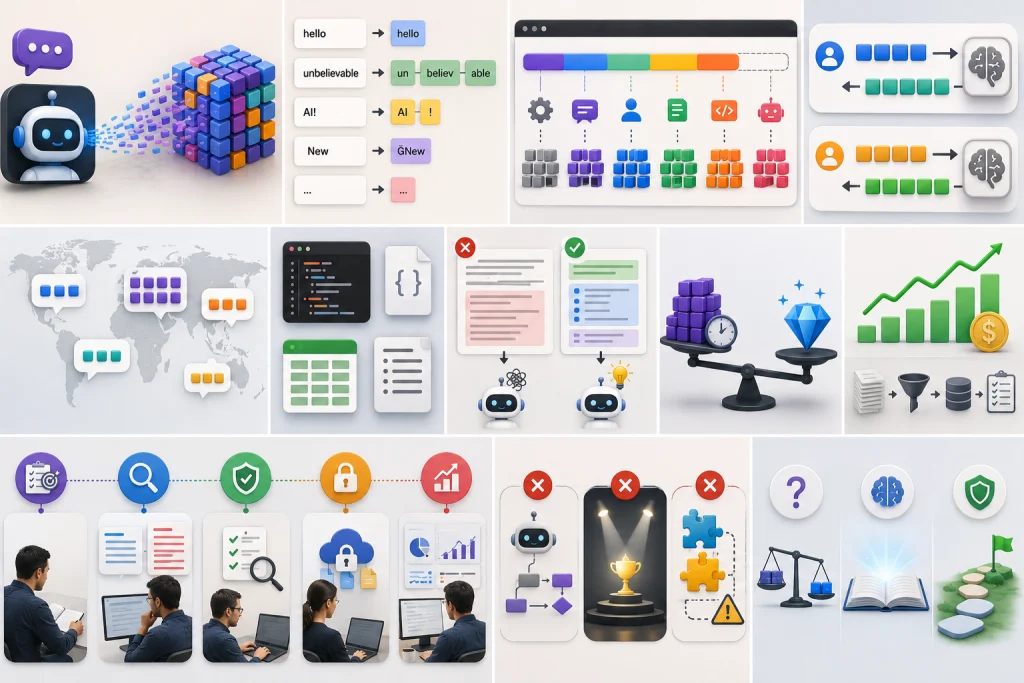
AI models process text as tokens rather than ordinary words. Learn what tokens are, how they affect context and cost, and why token limits matter.
AI models process text as tokens rather than ordinary words. Learn what tokens are, how they affect context and cost, and why token limits matter.
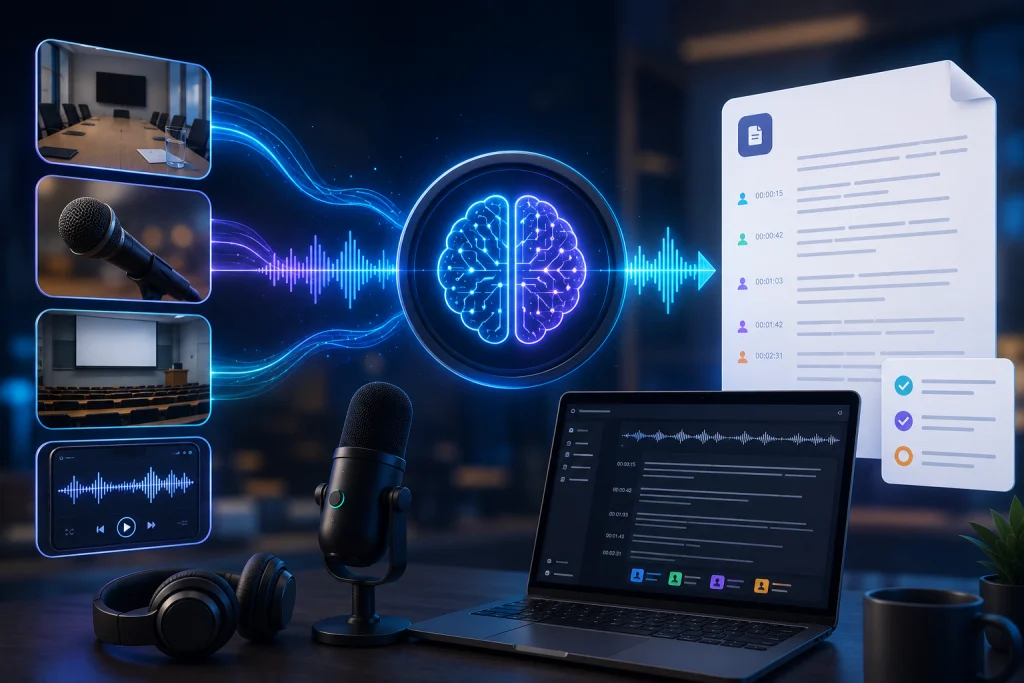
AI transcription tools convert speech from meetings, interviews, lectures, and recordings into editable text. Learn what to compare before choosing one.
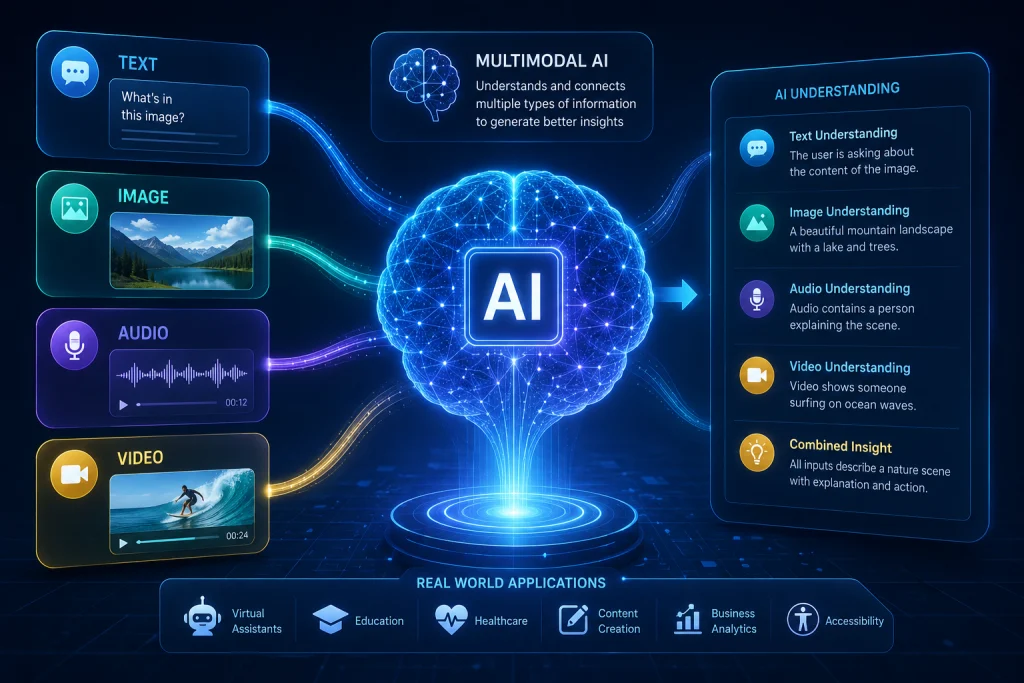
Multimodal AI can work with more than one type of information, such as text, images, audio, and video. Learn how it works and why it matters.

Free AI tools can handle many everyday tasks, while paid plans may add higher limits, stronger models, privacy controls, and advanced workflows. Learn when to upgrade.

AI coding tools can explain code, suggest completions, debug errors, and assist with larger development tasks. Learn how to use them productively and safely.

AI presentation tools can turn outlines, notes, or prompts into slide drafts quickly. Learn what they automate and how to choose the right tool.

AI summarizer tools can turn long PDFs, articles, and documents into focused overviews. Learn how they work, where they help, and how to choose one.

Responsible AI is about gaining the benefits of artificial intelligence while managing risks such as bias, privacy problems, unsafe outputs, and misuse.

AI can produce confident answers that are inaccurate or invented. Learn what AI hallucinations are, why they happen, and how to reduce the risk.
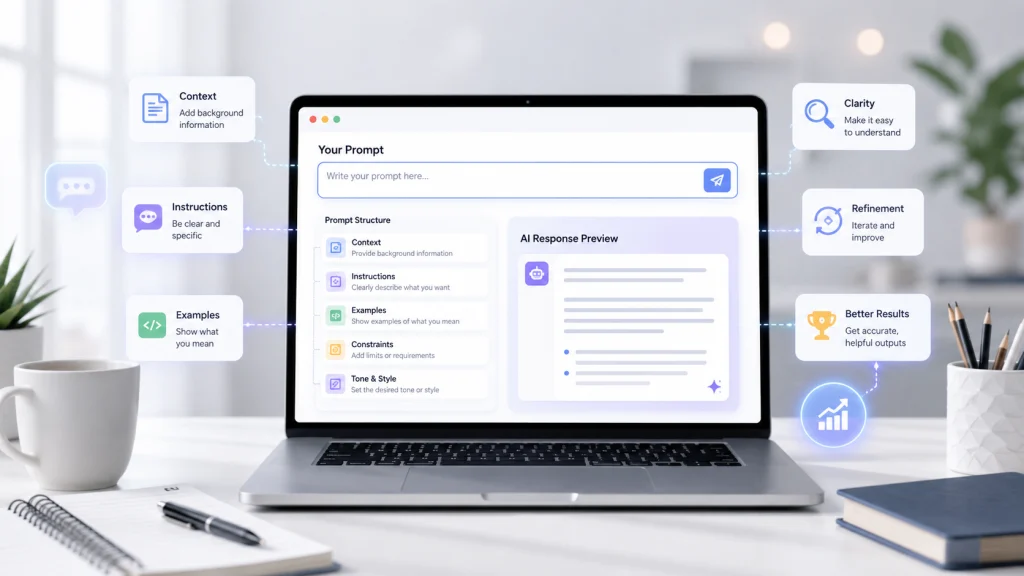
Better prompts can make AI responses clearer, more relevant, and easier to use. Learn practical prompt engineering techniques without complicated formulas.