Multimodal AI Explained: How AI Understands Text, Images, Audio, and Video
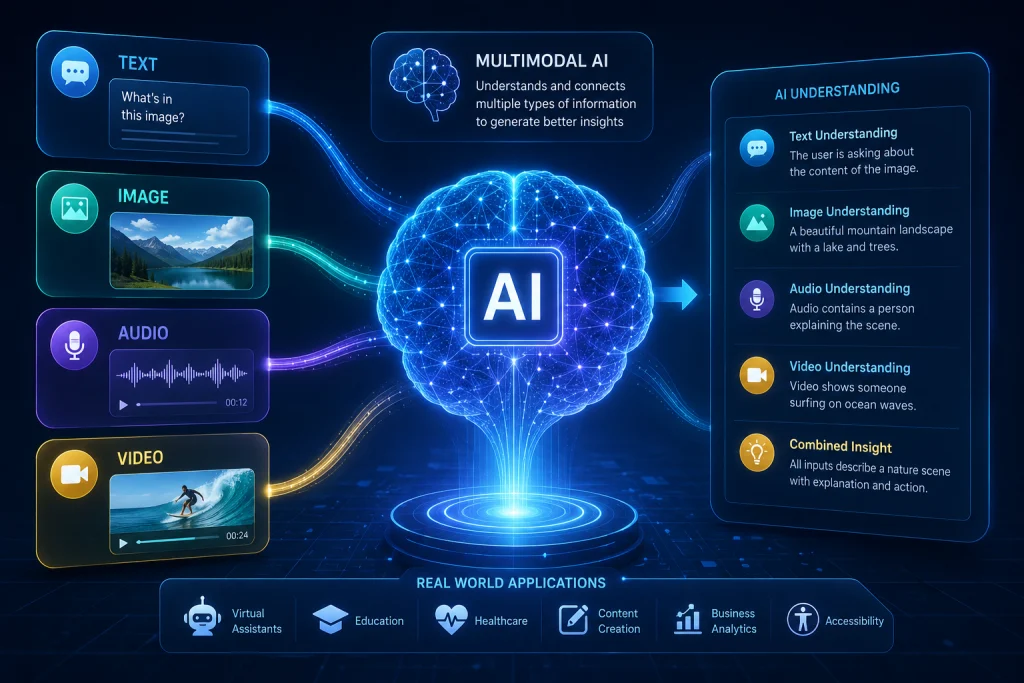
Multimodal AI can work with more than one type of information, such as text, images, audio, and video. Learn how it works and why it matters.

Multimodal AI can work with more than one type of information, such as text, images, audio, and video. Learn how it works and why it matters.

Responsible AI is about gaining the benefits of artificial intelligence while managing risks such as bias, privacy problems, unsafe outputs, and misuse.

AI can produce confident answers that are inaccurate or invented. Learn what AI hallucinations are, why they happen, and how to reduce the risk.

Better prompts can make AI responses clearer, more relevant, and easier to use. Learn practical prompt engineering techniques without complicated formulas.

AI agents can plan, use tools, check results, and complete multi-step tasks with less human direction. This beginner-friendly guide explains how they work.

Learn what Large Language Models are, how LLMs process language, generate responses, use context and prompts, and where their capabilities and limitations matter.

Understand the key differences between Artificial Intelligence, Machine Learning, and Deep Learning, including how they work, relate, and are used in real-world applications.
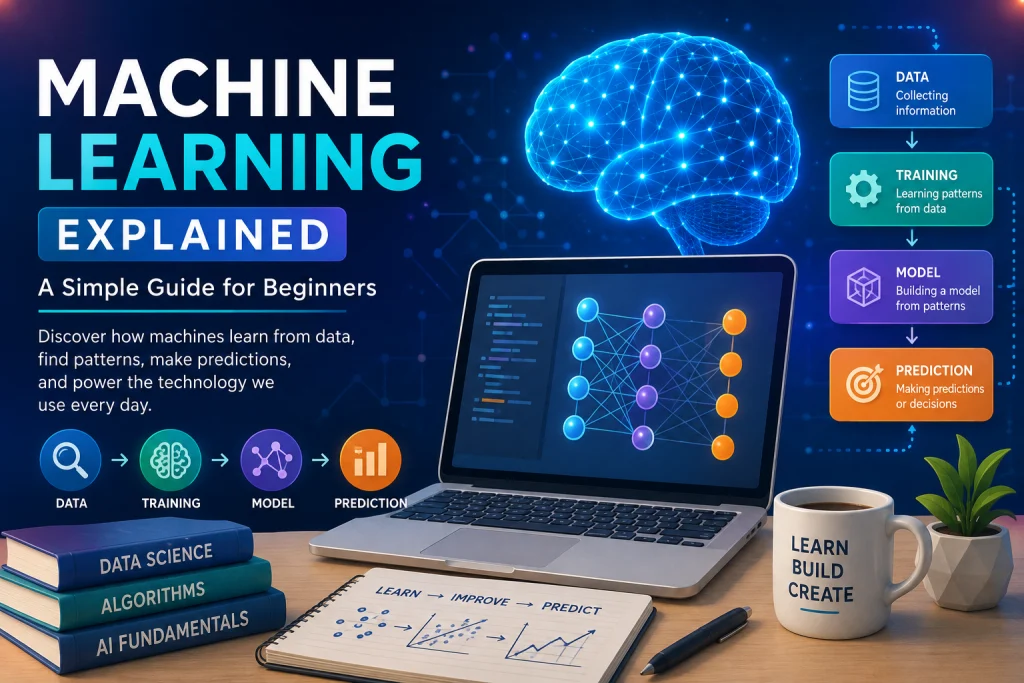
Learn how Machine Learning works, how computers learn from data, the main types of Machine Learning, real-world uses, and its limitations in this beginner-friendly guide.
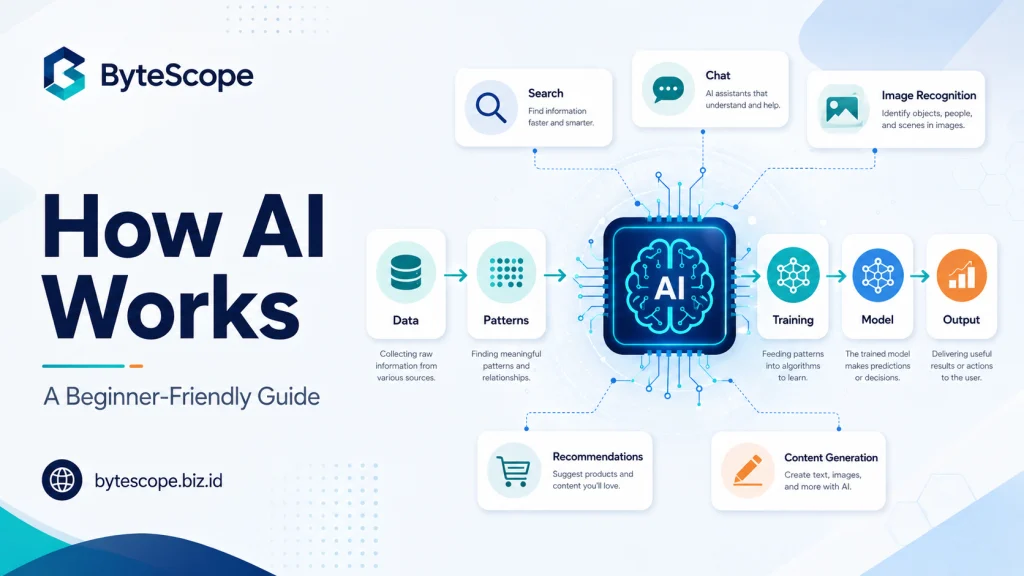
Learn how Artificial Intelligence works through data, machine learning, training, neural networks, and AI models in this clear beginner-friendly guide.
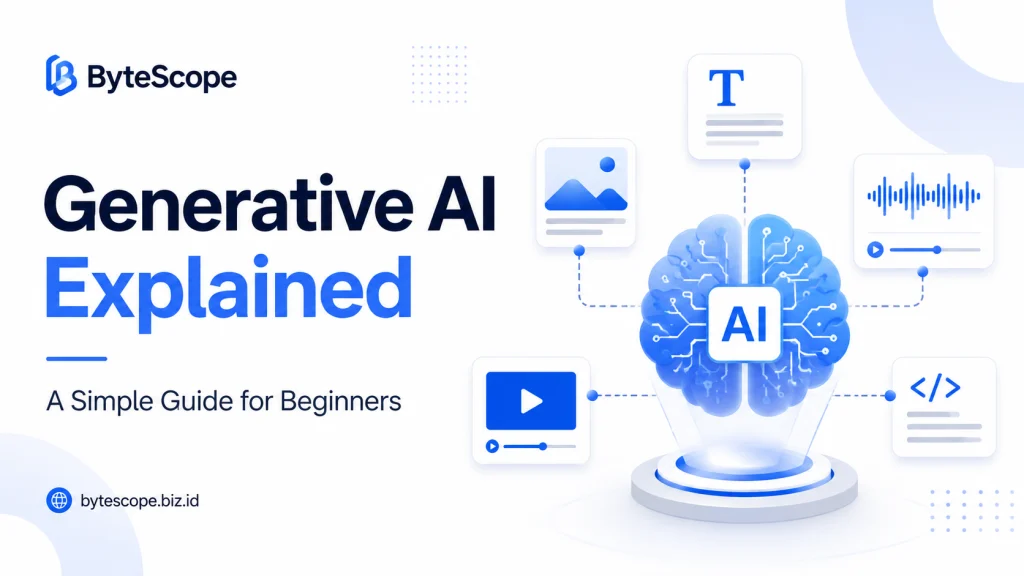
Generative AI can create text, images, audio, video, and code from simple prompts. This beginner-friendly guide explains how Generative AI works, its uses, benefits, limitations, and what you should know before using it.